While the world hunts for the next great superfood substitute for processed sugar, Sri Lanka has been quietly cultivating it in the rainforest canopy for centuries.
In a landmark decision in December 2025, UNESCO officially inscribed the ancient art of “Kithul Madeema” (Kithul Tapping) on the Representative List of the Intangible Cultural Heritage of Humanity.
This is not just a win for a delicious ingredient; it is the global recognition of a daring, sacred, and scientifically complex tradition that defines the Sri Lankan village. For the wellness traveler, tasting pure Kithul is no longer just a treat—it is an encounter with living history.
🌴 The Sky Farmers: An Art of Danger and Patience
Kithul (Caryota urens) is not a crop you farm in a neat row. It is a massive, solitary fishtail palm that grows wild in the wet zone forests and home gardens.
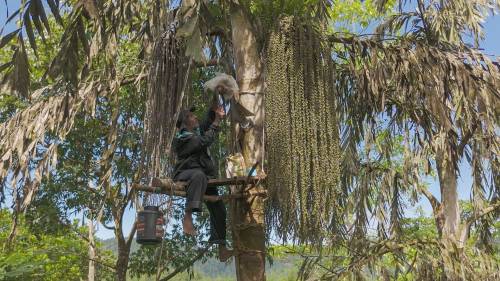
The process recognized by UNESCO, Kithul Madeema, is closer to an extreme sport than agriculture.
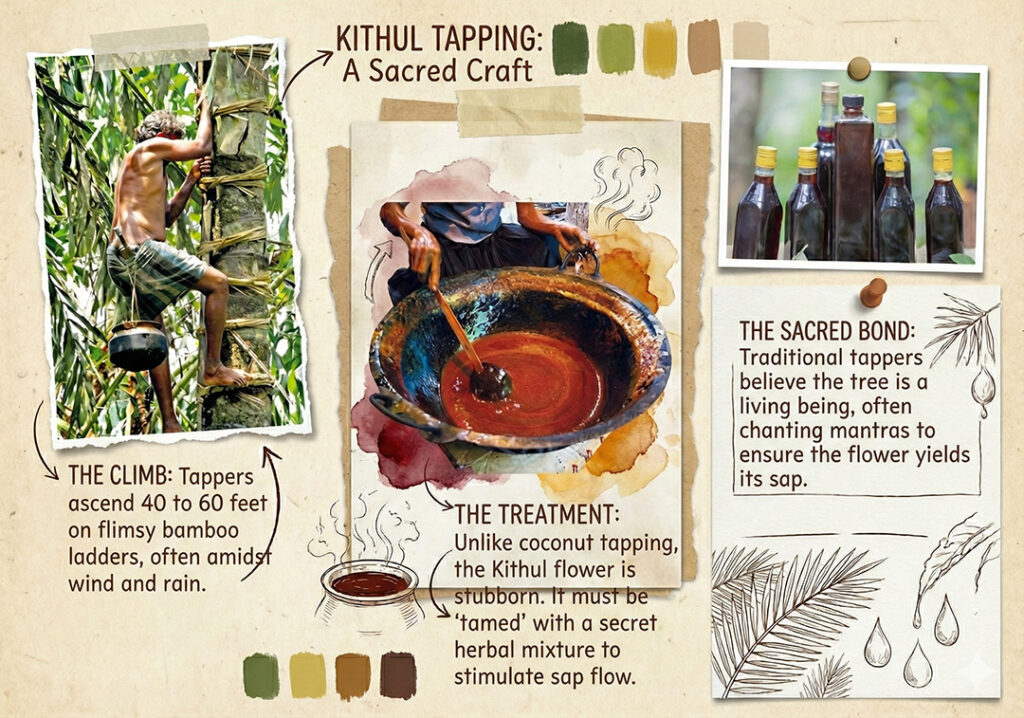
- The Climb: Tappers ascend 40 to 60 feet on flimsy bamboo ladders, often amidst wind and rain.
- The Treatment: Unlike coconut tapping, the Kithul flower is stubborn. It must be “tamed.” The tapper creates a secret herbal mixture (often involving pepper, garlic, and medicinal leaves), pierces the flower stalk, and applies the paste to stimulate sap flow.
- The Sacred Bond: Traditional tappers believe the tree is a living being. They often chant mantras or observe silence while up in the canopy, maintaining a spiritual connection to ensure the flower yields its “blood” (sap).
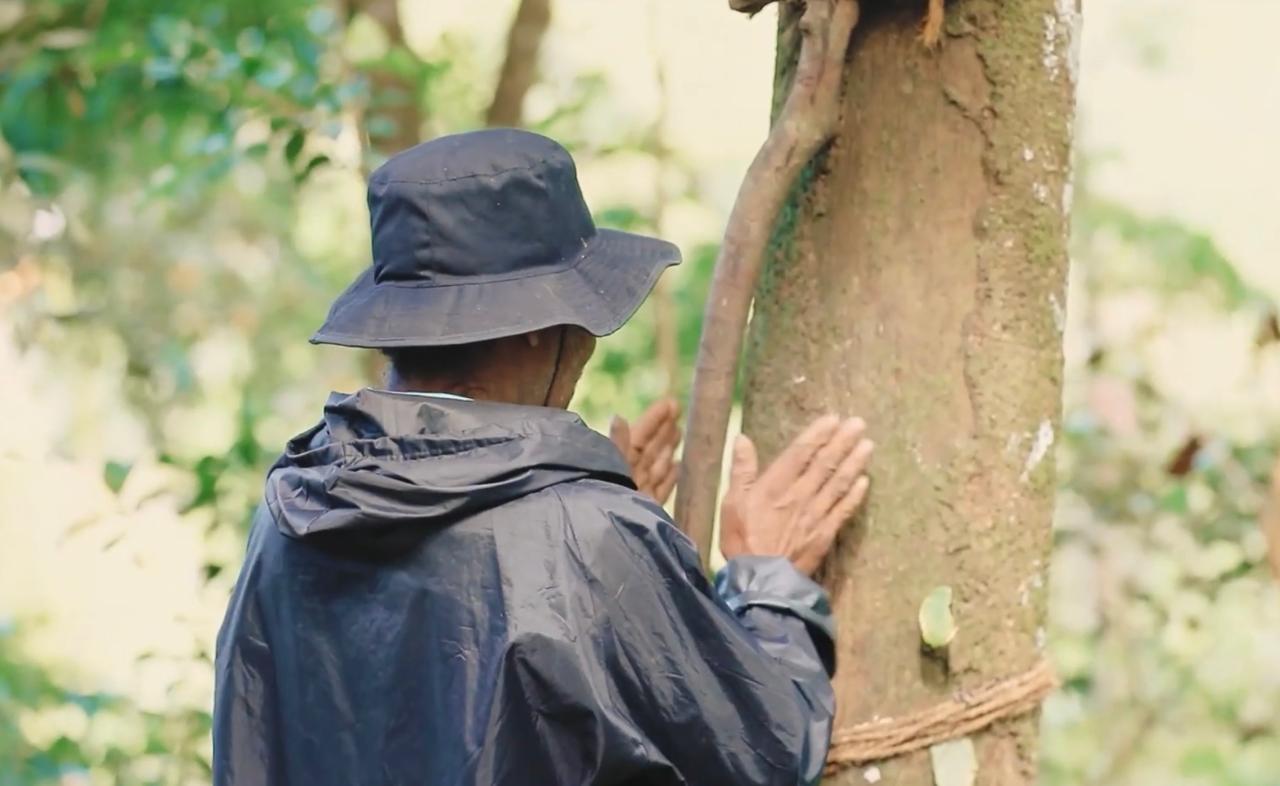
“Kithul tapping is a partnership between man and nature, forged high above the ground. It requires the balance of an acrobat and the knowledge of a botanist.”
🥄 The Products: Nature’s Vegan Honey
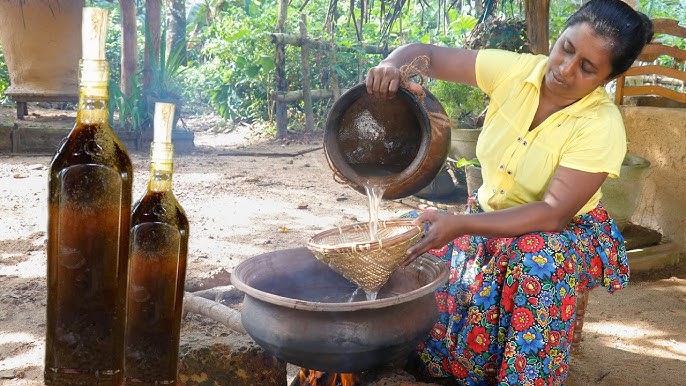
The sap (Thelijja) collected is boiled down over wood fires—traditionally a task managed by the women of the village—to create two legendary products:
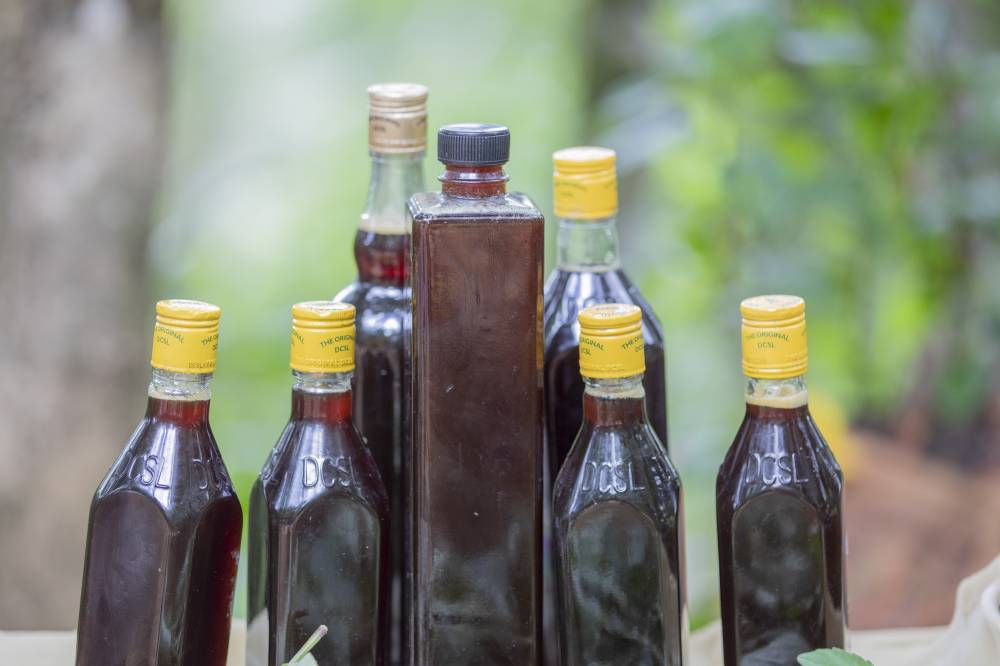
1. Kithul Treacle (Kithul Peni)
Think of it as a smoky, woody, vegan honey. It has a complex flavor profile with notes of caramel, dates, and a hint of smoke from the firewood.
- Wellness Benefit: Unlike refined sugar which spikes insulin, pure Kithul is known for a lower Glycemic Index (GI), making it a preferred sweetener in Ayurvedic diets. It is also rich in antioxidants and minerals.
2. Kithul Jaggery (Kithul Hakuru)
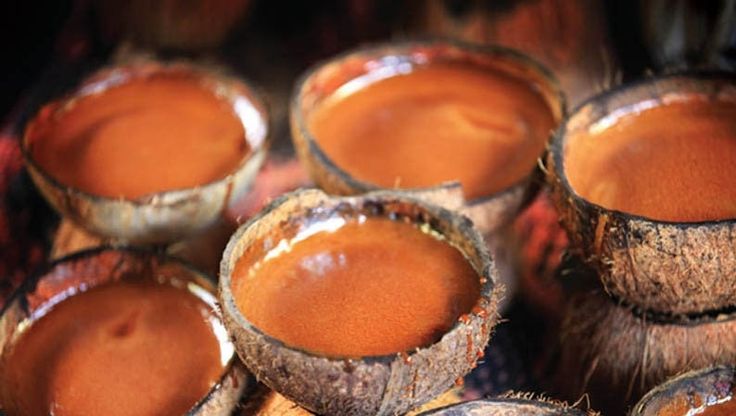
When boiled further, the treacle solidifies into blocks of hard, brown sugar called Jaggery.
- The Experience: A piece of Kithul Jaggery is the traditional accompaniment to a cup of herbal tea or plain tea. You don’t stir it in; you take a bite of the sweet jaggery, hold it on your tongue, and sip the bitter tea through it. It is a sensory masterpiece.
🍛 The Iconic Pair: Curd and Treacle
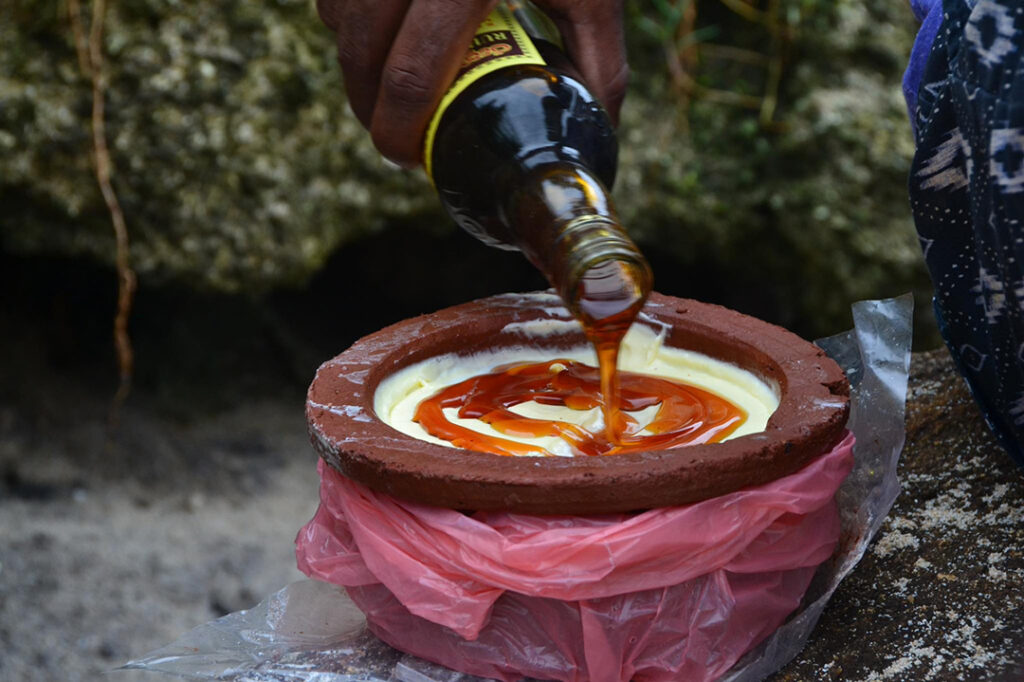
You cannot leave Sri Lanka without trying the island’s most famous dessert: Curd and Treacle (Meekiri). Thick, creamy buffalo yogurt served in a terracotta pot, drowned in a generous pour of dark Kithul Treacle. It is a probiotic power-bowl disguised as a dessert—gut health meets soul food.
“This intricate relationship between man and the fishtail palm is a unique botanical heritage found nowhere else on Earth; it is a skill indigenous solely to the island of Sri Lanka.”
UNESCO
🌍 Why This Matters Now?
The UNESCO recognition protects this industry from fading. It empowers the rural communities—giving dignity to the tappers and economic independence to the women who process the sap. Furthermore, it saves the rainforests. A Kithul tree is worth more standing (for its sap) than cut down (for timber), creating a natural economic shield for Sri Lanka’s biodiversity.
🛡️ For the Traveler: How to Buy Authentic
Because Kithul is so valuable, fake versions (diluted with cane sugar) are common.
- Buy from the Source: If you are driving through Kitulgala, Sinharaja, or the Knuckles (and many other rural areas) region, buy from roadside stalls where you can see the boiling pots.
- Read the Label: Look for “Pure Kithul” (not “Kithul Syrup,” which often implies added sugar).
- The Taste Test: Pure Kithul hits the back of the throat with a slight, pleasant sharpness and a woody aftertaste. It is not cloyingly sweet like sugar syrup.
Sri Lanka’s Kithul is more than a sweetener; it is the distilled essence of the tropical forest. When you taste it, you are tasting a UNESCO-protected legacy.
—TheWellness.travel
🤝 The Guardians of the Legacy: Who Made It Possible
This global honor did not happen by chance; it was the result of tireless advocacy and a deep love for Sri Lankan heritage.
The True Heroes However, the deepest recognition belongs to the Sri Lankan people of the Kithul industry. To the tappers who brave the heights every day, the women who spend hours tending the fire to create the perfect treacle, and the families who have kept this knowledge alive for generations—this UNESCO status is their victory. It is a tribute to their resilience and skill.
The Visionary The driving force behind this historic inscription is Dr. Raveendra Withanachchi. It was his vision and persistent proposal to UNESCO that brought the hidden art of Kithul Madeema to the world stage. His dedication to documenting and defending this indigenous technology has ensured that it will not be lost to time.
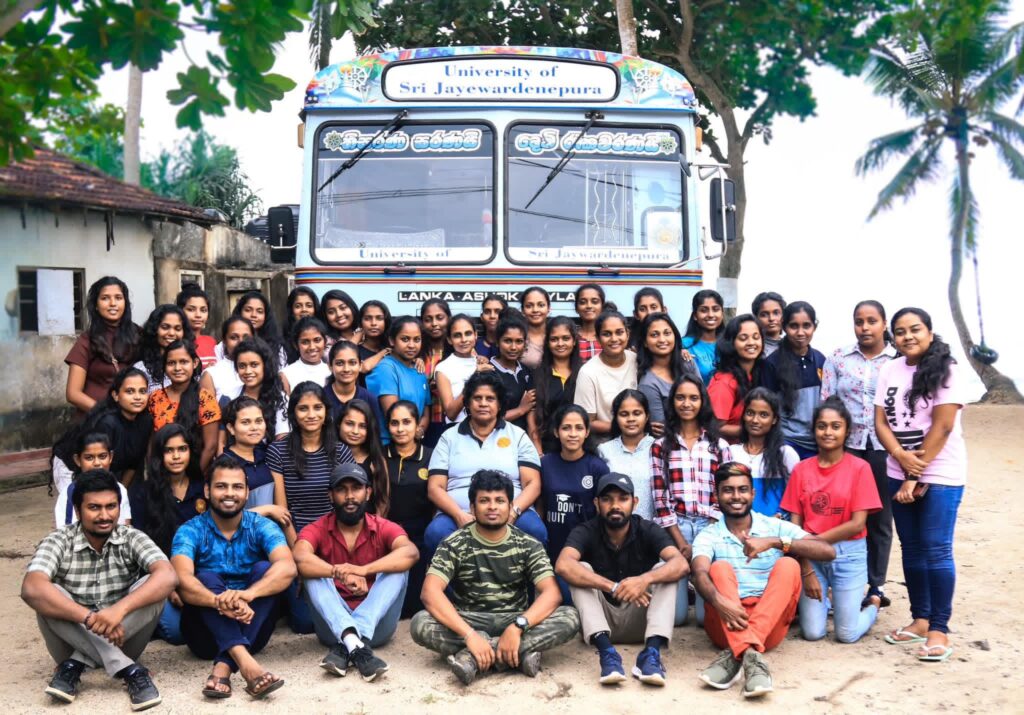
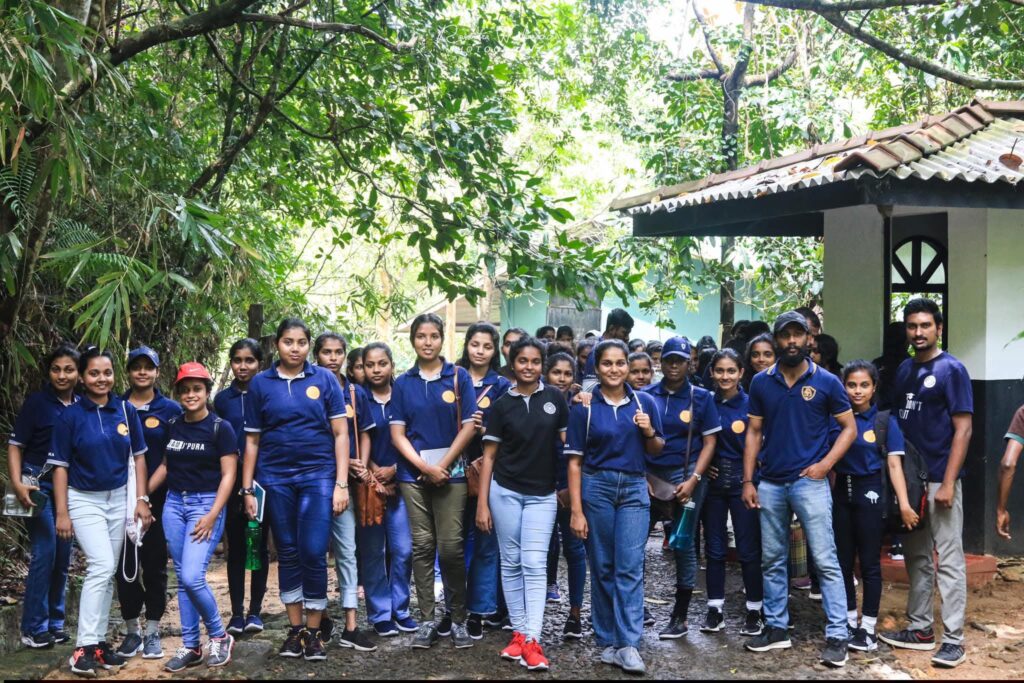
The Academic Backbone Dr. Withanachchi was supported by his dedicated team from the Department of Anthropology at the University of Sri Jayewardenepura. Their rigorous research and academic validation provided the undeniable proof needed to demonstrate the cultural weight of this tradition.
Institutional Support This achievement was also a triumph of collaboration, with crucial support provided by the Kithul Development Board, the Ministry of Cultural Affairs, and the Ministry of Agriculture, all working in unison to protect a national treasure.