
While many associate Sri Lanka with the gentle wisdom of Ayurveda and Buddhist meditation, the island nation holds an equally profound practice of inner strength: Angampora. This ancient fighting art—a dynamic blend of combat, yoga, and traditional medicine—was nearly lost to history, but its current revival offers one of the most powerful, holistic training regimes for modern wellness.
Angampora is more than just a martial art; it is a discipline that intentionally unifies the spiritual with the physical, rooted in thousands of years of Sinhala heritage.
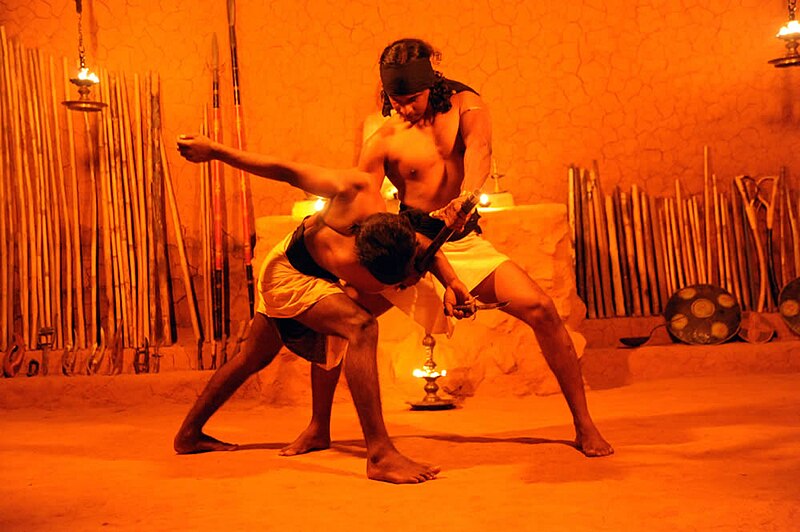
1. A History of Survival: The Art That Refused to Die
The practice of Angampora was passed down through generations of ancient kings and warriors whose primary objective was the protection of the nation from invasion. However, its strength proved too great for colonial powers.
- The British Ban: The British administration, fearing the power of a civilian population skilled in this deadly art, banned the practice of Angampora in 1815.
- A Secret Legacy: The penalty for practitioners was brutal—a gunshot to the knee. Despite this, brave families kept the tradition alive, teaching the art in secret, ensuring its sacred methods were passed down through the generations behind closed doors. The art was eventually revived publicly in the year 2000.
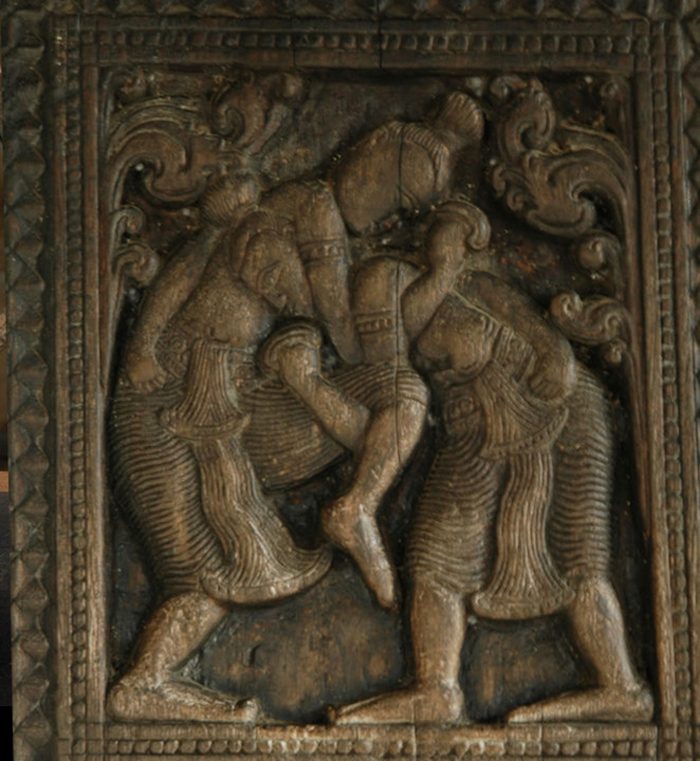
2. The Three Pillars of Self-Mastery
Angampora is fundamentally divided into three core components, which together train the entire self: mind, body, and spirit.
- Unarmed Combat (Angam): The focus is on grappling, striking, and precise movement, where “technique is more important than physical strength.” The ultimate aim is always self-defense and disarming an assailant, keeping with the core Buddhist philosophy of non-aggression.
- Armed Combat (Illangam): This involves proficiency with 21 indigenous weapons. Masters emphasize that the study of weaponry is so vast that one lifetime is not enough to master them all.
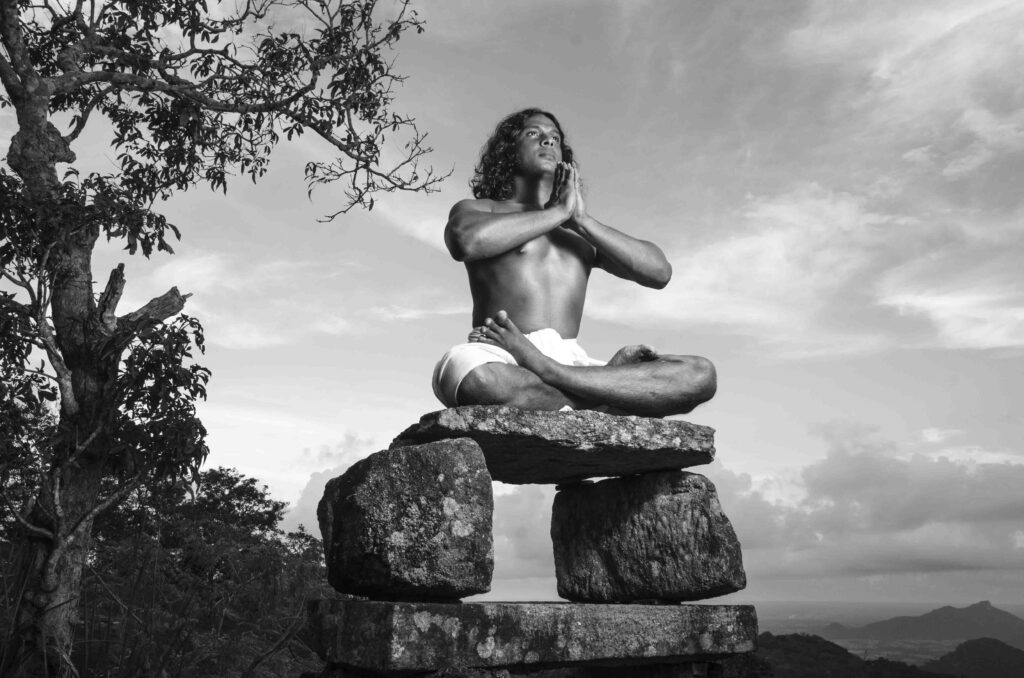
- Spiritual Meditation: The spiritual side is a vital component. The curriculum integrates practices like traditional medicine, astrology, and meditation, ensuring the inner discipline matches the physical power.
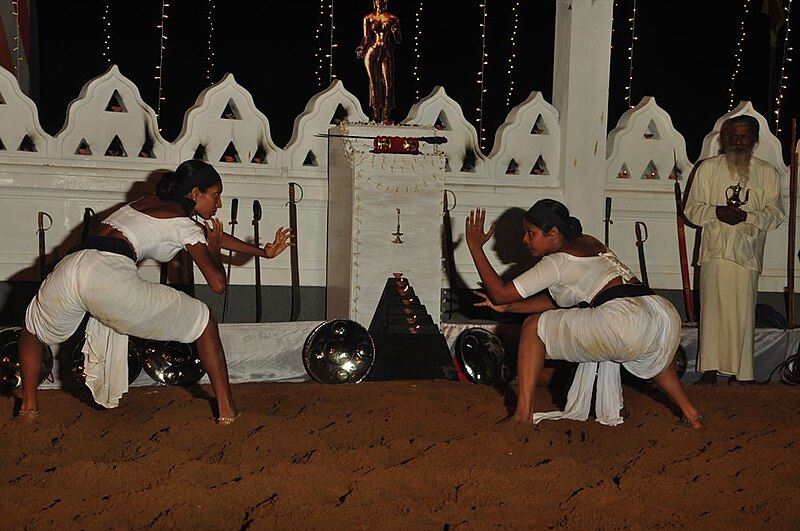
3. The Wellness Connection: Marukala and Ayurveda
The most distinct and advanced component of Angampora is its integration with traditional Sri Lankan medicine.
- Maru kala (The Art of Death): This most advanced skill involves strikes to the body’s pressure points.
- Ayurvedic Link: This knowledge of pressure points, their effects, and crucially, their cure, is deeply connected to the expertise of Ayurvedic medicine practitioners. It is considered so potent that only an elite few are permitted to practice it.
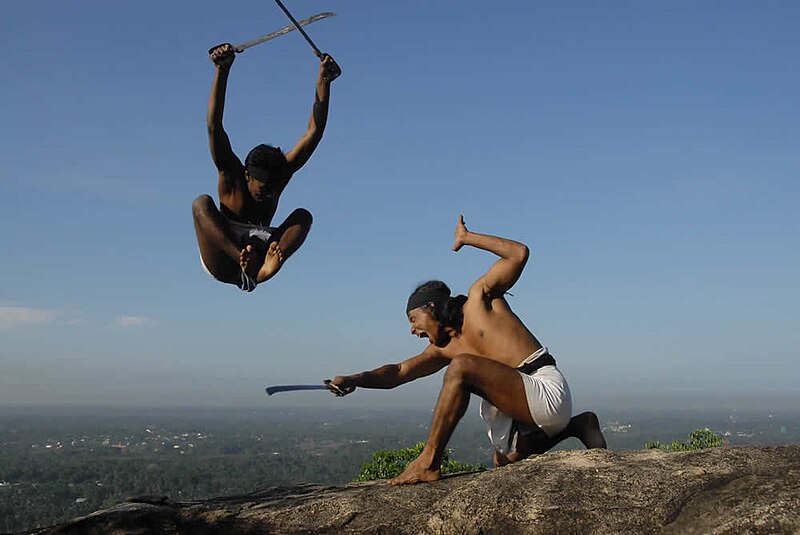
4. Life Lessons: What Modern Practitioners Gain
For those taking up Angampora today, the benefits extend far beyond physical defense. It is a profound mental and spiritual training ground.
- Patience and Humanity: The most important quality students learn is humanity, and they are trained intensively on how to be patient, never looking for a fight.
- Confidence and Resilience: Students consistently report that the art builds immense self-confidence, helping them overcome mental struggles and fears, and giving them the strength to handle any difficult situation they face.
- A Place for All: Today, the art is open to all, with an increasing number of women becoming leading exponents and the practice is welcoming to international students.
Bringing the Warrior Spirit Home
This knowledge is a summary of the powerful traditions held within Angampora. You can dive deep into this ancient martial art when you travel to Sri Lanka, as there are several centers that now offer specialized training and immersive experiences specifically for foreign visitors. It has turned out that international students genuinely love this holistic martial art, finding that its rigorous, spiritual discipline builds a rare and profound sense of self-mastery.
The most important teaching of Angampora is that spiritual and physical strength go hand in hand, giving you the power to overcome your fears and be stronger.
—TheWellness.travel