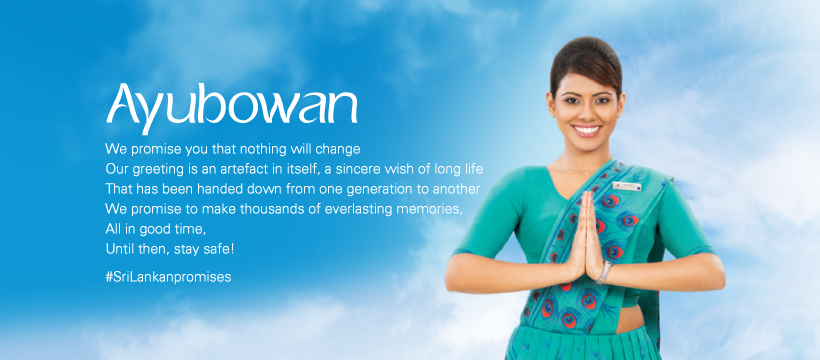
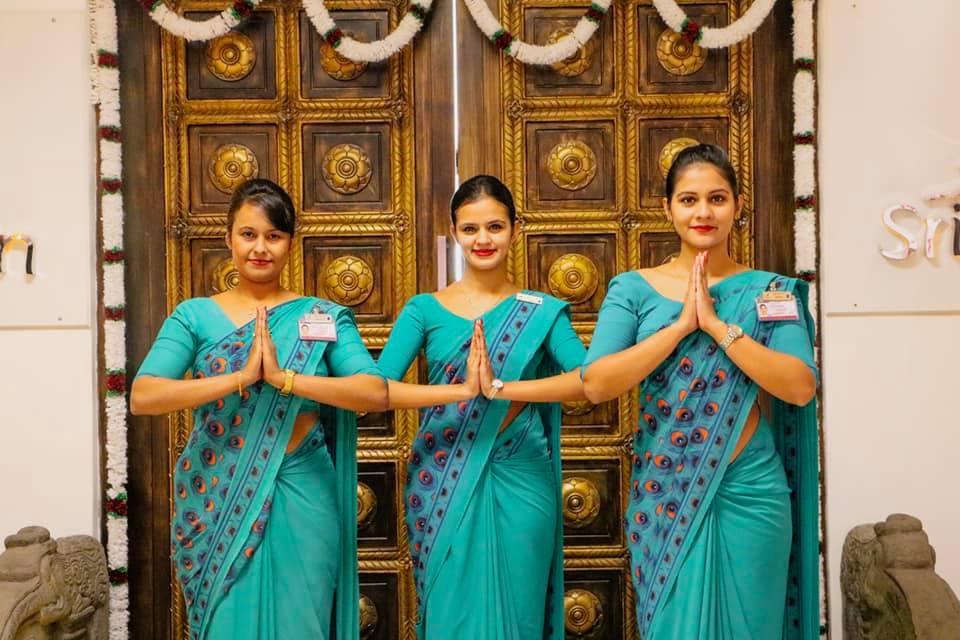
In Sri Lanka, the journey of connection begins not with a touch, but with a deliberate space. The moment a Sri Lankan greets you with “Ayubowan” (ආයුබෝවන්), accompanied by the graceful joining of palms at the chest, they are performing an act of profound, intentional wellness.
This gesture—known in yogic tradition as the Anjali Mudra—is the perfect physical representation of the island’s gentle culture. It is a moment of mutual respect that speaks volumes without a single word of body contact.
1. The Meaning: A Blessing for Longevity
The literal translation of the Sinhala word Ayubowan is “May you live long.”
This is not a casual greeting; it is an active prayer, a wish for the recipient’s life force (Ayu) to be extended and strengthened. When you receive Ayubowan, you are receiving a genuine blessing for your future, your health, and your longevity. The gesture itself solidifies this intention:
- Palms Together (Anjali Mudra): This unites the physical world (the lower self) and the spiritual world (the higher self). The hands are brought to the heart chakra (Anahata), the center of feeling, compassion, and spiritual energy, symbolizing that the two individuals are meeting heart to heart.
- The Slight Bow: This is an act of humility and respect. It acknowledges the divine spark, or atman, in the person being greeted, essentially saying, “I bow to the highest in you.”
2. The Cultural Reason: Respect and Purity
Historically and culturally, avoiding physical contact serves several essential purposes in traditional Sri Lankan society:
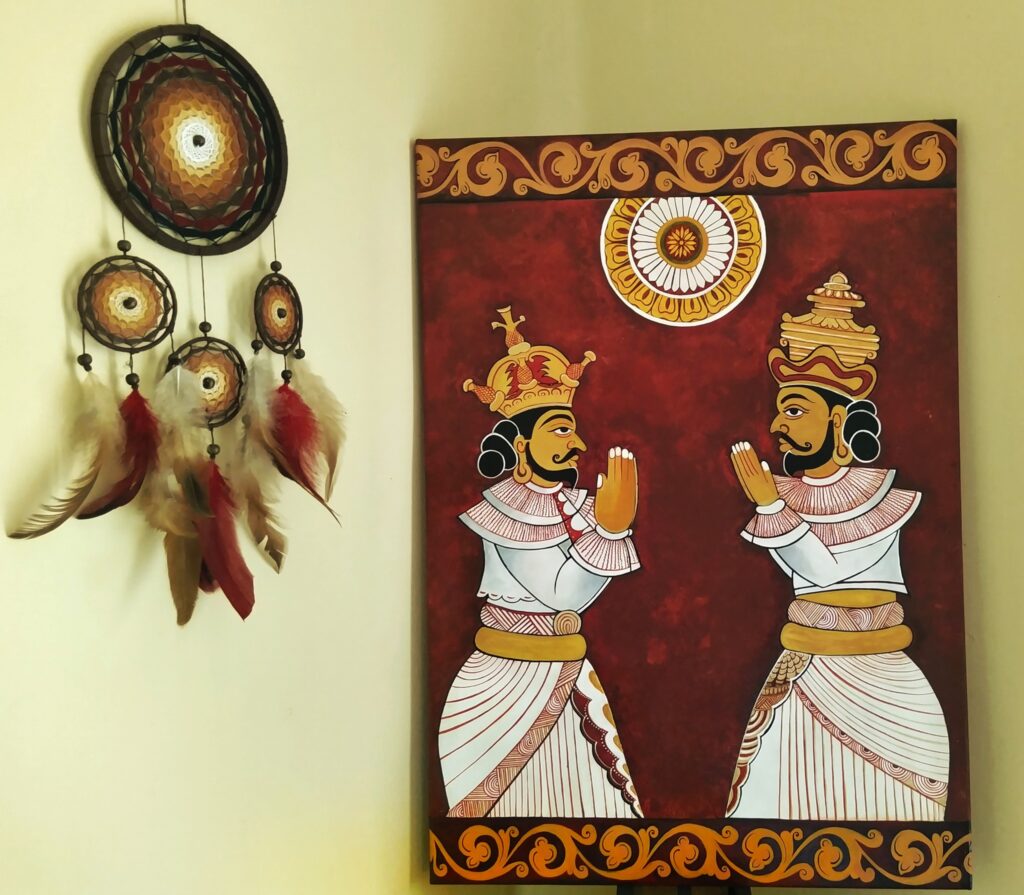
- Hierarchical Respect: The gesture ensures that no one is made uncomfortable by differences in age, gender, or social status. It is a universal gesture that preserves the respect due to elders and those in positions of authority without the familiarity of touch.
- Gender Propriety: Particularly between men and women who are not related, the non-contact rule maintains strict propriety and public modesty, a core value of the culture.
- Purity (Austerity): In Buddhist tradition, physical contact is often avoided as part of maintaining a state of purity or austerity, particularly when interacting with monks or entering sacred spaces. The non-contact greeting aligns with this principle.
“We shake hands to show we have no weapons. We join hands to show we have only love.” — Sri Chinmoy
3. The Wellness Interpretation: Protecting Your Vibe
The question of whether Ayubowan is a way to avoid taking on another person’s energy, or “vibration,” is a powerful spiritual and wellness interpretation that deeply aligns with Eastern energetic philosophy.
In traditions that recognize the body’s energy field (Prana or Chi), the hands and fingertips are considered powerful conductors. Physical contact is the most direct way to exchange energy.
- The Shielding Effect: By pressing the palms together and avoiding touch, you effectively create an energetic seal around your own personal field. This means you greet the person with sincerity, but you also maintain your energetic boundaries.
- Intentional Interaction: If you have just completed a deep meditation or a detox program and feel your vibration is high and clear, the last thing you want is an unconscious energy exchange. Ayubowan makes the interaction intentional and non-invasive. You are sending a blessing (May you live long) without passively receiving any negative or confusing energy the other person might be carrying.
- Meeting in the Neutral Space: The heart-centered position of the gesture is a declaration: “I meet you in a space of peace and neutrality, acknowledging the divine light in you, but maintaining my inner sanctuary.”
In the holistic wellness context of Sri Lanka, the Ayubowan gesture is a timeless reminder that true connection is energetic and spiritual, not merely physical. It is a perfect, ancient technique for simultaneously wishing someone well while practicing powerful energetic self-care.
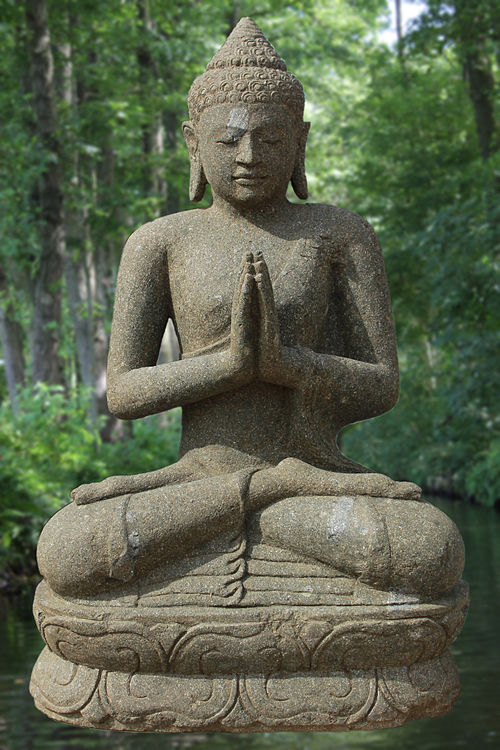
“The ultimate luxury is the preservation of inner peace; Ayubowan is a powerful, silent declaration of that peace.”
—TheWellness.travel