Sri Lanka’s central highlands are famous for their misty peaks and emerald-green slopes, the home of Ceylon Tea. Yet, the real spiritual value of the hill country is not just in the scenery, but in the ritual of the tea itself. For those seeking deep, sensory wellness, the daily process of the tea dostara (master-healer) preparing your cup becomes a grounding, mindful ceremony, steeped in ancient wisdom.
This is a journey into the “Leaf-to-L-Theanine” experience, embracing the sensory calm and medicinal properties of Ceylon tea culture.
The Ritual: A Practice of Presence
Unlike the rushed coffee ritual, the preparation and consumption of Ceylon tea is an invitation to pause, engaging all five senses to anchor you in the present moment.
“There is a silence that accompanies a true cup of tea, a temporary cessation of the world’s demands.”
— Thich Nhat Hanh
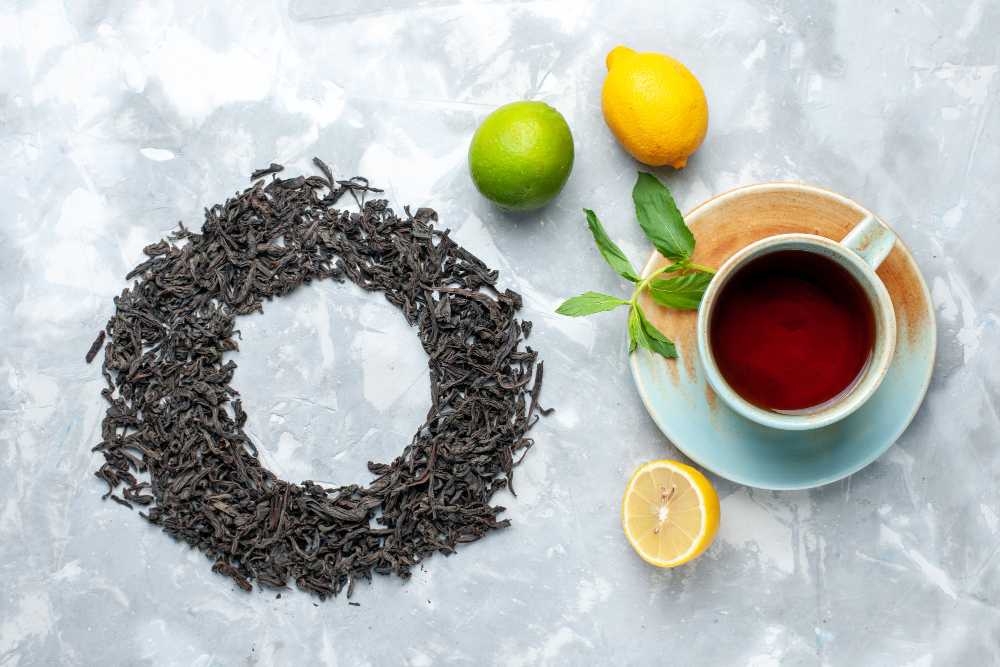
- Sight: The electric green of the plantation, the copper-tipped flush of the newly plucked leaves, and the golden-amber hue of the brew in a porcelain cup. This visual saturation of color calms the optic nerve.
- Sound: The quiet clink of the cup, the hiss of the steam, and the gentle slosh of the dostara’s pour—sounds that replace the digital noise of modern life with natural acoustics.
- Scent: The fresh, sharp aroma of the tea leaves on the plantation wind, evolving into the warm, earthy fragrance of the hot brew. This is aromatherapy delivered directly from the land.
- Touch: The cool mist of the altitude on your skin, the rough texture of the tea bush, and the essential warmth of the teacup held between your palms—a physical anchor for a wandering mind.
- Taste: The crisp, bright flavor of a high-grown Uva or Central Ceylon Tea, varying in complexity but always clean. It forces you to sip slowly, tasting the terroir and the pure process.
The Wellness Factor: Nature’s Anti-Stress Dose
The tranquility of the tea country is scientifically supported by the tea leaf itself, aligning perfectly with Ayurvedic principles of balance (dosha).
- L-Theanine for Calm: Ceylon tea is rich in the amino acid L-Theanine. This compound is known to promote the production of alpha waves in the brain, leading to a state of calm, focused alertness—the ideal state for meditation or reflection. It offers the cognitive benefits of caffeine without the jitteriness, helping to regulate the Vata (air/space) energy associated with stress and anxiety.
- Polyphenols for Purity: The high-altitude tea leaves are packed with polyphenols (antioxidants). In an Ayurvedic context, this acts as a powerful rasayana (rejuvenator), purifying the body and strengthening Ojas (vitality).
- The Spice Connection: True Sri Lankan tea culture often involves infusing the brew with indigenous spices like cinnamon, cardamom, and ginger. These aren’t just for flavor; they are potent Ayurvedic medicines used to warm the body (Kapha) and aid digestion (Pitta).
“Ceylon tea is rich in L-Theanine, promoting a state of calm, focused alertness—the ideal state for reflection without the jitters.”
— TheWellness.travel
Deep Immersion: The Tea-Centric Retreat
For the ultimate wellness experience, travel to a plantation bungalow or an Ayurvedic retreat set on a working tea estate.
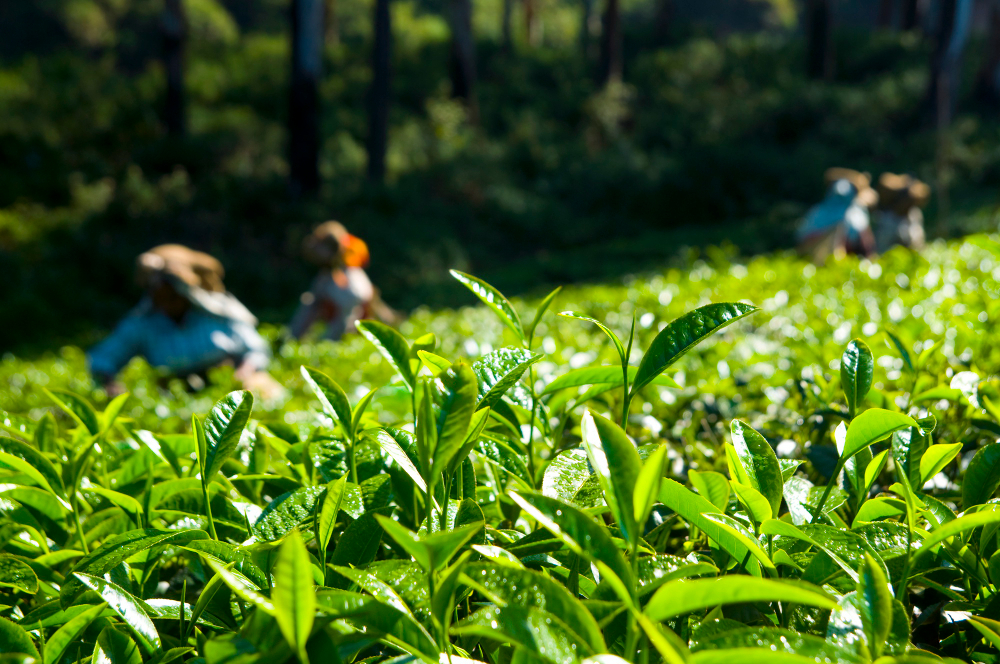
- Mindful Plucking: Join the local tea pluckers for a morning on the estate. The repetitive, focused work of picking the “two leaves and a bud” is a highly meditative, physically grounding practice that connects you directly to the source of your ritual.
- The Factory to Fireplace: Follow the Leaf-to-Cup journey: witness the withering, rolling, and firing processes inside a colonial-era factory, culminating in a tasting session by a crackling fireplace. Understanding the craft deepens your respect for the final product and slows down your appreciation.
- Tea-Infused Healing: Seek out luxury wellness resorts that integrate tea into their spa menu—from tea-leaf body scrubs to steam baths infused with bergamot and cinnamon. This completes the sensory loop, using the medicinal qualities of the tea for external nourishment and detoxification.
To embrace Sri Lanka’s tea culture is to embrace a quiet, beautiful form of mindful living. It is a daily, accessible pilgrimage that restores the nervous system and reminds you that profound wellness can be found in the simplest of ancient rituals.